
A strange but catchy phrase — Google Nano Banana — has recently taken over social media timelines. The term refers to Google’s latest image-generation and editing model inside the Gemini ecosystem, and the kind of visuals it produces have exploded across Instagram, X, and TikTok. From toy-like 3D figurines to hyper-stylised portraits, the trend is everywhere, and users can’t stop experimenting with it.

But what exactly is Nano Banana, why is it going viral, and how can you try it? Here’s your full breakdown.
What Is Google Nano Banana?
Despite the quirky name, Nano Banana is not an official Google branding. It’s an internet-coined nickname for Google’s Gemini 2.5 Flash Image model, a powerful AI tool that can edit photos, generate images, blend styles, and create highly consistent character likenesses.
The model is available inside the Gemini app and supports:
- High-quality face edits
- Style transformation (3D, cartoon, cinematic, retro, etc.)
- Background replacement
- Multi-image blending
- Prompt-based photo reshaping
The nickname “Nano Banana” stuck because early users joked that the model processed images “like peeling a banana” — fast and clean — and the meme took off.
Why Nano Banana Images Went Viral
The virality comes from three simple factors:
1. The Results Look Unique and Extremely Shareable
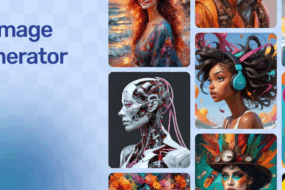
Nano Banana images stand out. They look like collectible toys, action figure mock-ups, or stylised digital avatars — perfect for social media engagement.
2. The Tool Is Super Easy to Use
Unlike many AI tools that require software knowledge or subscriptions, Nano Banana edits can be created through a simple prompt in the Gemini app.
3. Influencers Popularised the Trend
Once creators and meme pages started posting Nano Banana transformations, the algorithm boosted the trend across platforms — fuelling curiosity and mass experimentation.
Types of Nano Banana Images Going Viral
Here are the most common styles users are creating:
- 3D Figurine Versions of Themselves
People upload selfies and transform them into toy-like characters. - Cinematic Portraits
Dramatic lighting, depth-of-field and premium filters give photos a movie-poster look. - Retro / Y2K Edits
Nostalgic filters and textures recreate early-2000s aesthetics. - Pet Transformations
Dogs and cats turned into animated toys or fantasy characters. - Creative Mashups
Blending two photos — for example, a person with their favourite fictional character.
Each format is visually distinct, easy to replicate, and perfect for virality.

How You Can Try Nano Banana Yourself
Trying the trend is surprisingly simple:
- Open the Gemini app on your phone.
- Upload a clear selfie or photo.
- Use a natural-language prompt like:
“Turn this image into a 3D collectible figurine with accurate face details.” - Review the results and refine the style (retro, cinematic, 3D, neon, etc.).
- Download and share.
Google applies an invisible SynthID watermark to all generated images for authenticity tracking.
Why Marketers & Creators Are Paying Attention
Nano Banana isn’t just a fun trend — it has professional relevance.
1. High-Impact Social Media Visuals
Brands can create eye-catching content without full-scale photo shoots.
2. Faster Product Mock-ups
E-commerce brands are using it to generate quick prototype visuals.
3. Better Ad Creative Testing
Teams can test multiple design variations rapidly.
4. Content Personalisation
Creators can design stylised versions of their brand identity for community engagement.
With your background in branding + SEO, this trend is ideal content for driving organic traffic around AI creativity and image tools.
Important Considerations
Before adopting the trend:
- Always use photos you have rights to.
- Check for platform watermark policies.
- Maintain brand aesthetics — not every viral style suits every brand.
- Be aware of privacy concerns when transforming people’s faces.
Final Thoughts
Google’s Nano Banana trend shows how quickly an AI model can shape visual culture. It’s fun, fast, and accessible — and the kind of trend that aligns perfectly with modern social-media behaviour. As AI-driven creativity grows, we can expect more such viral aesthetics to dominate feeds.











No Comments