
Introduction: Video Editing Just Changed Forever
If you’ve ever spent hours trimming clips, color correcting footage, or waiting on render times, you know how painfully slow video editing can be.
That’s why Google Flow is making waves in the filmmaking world.
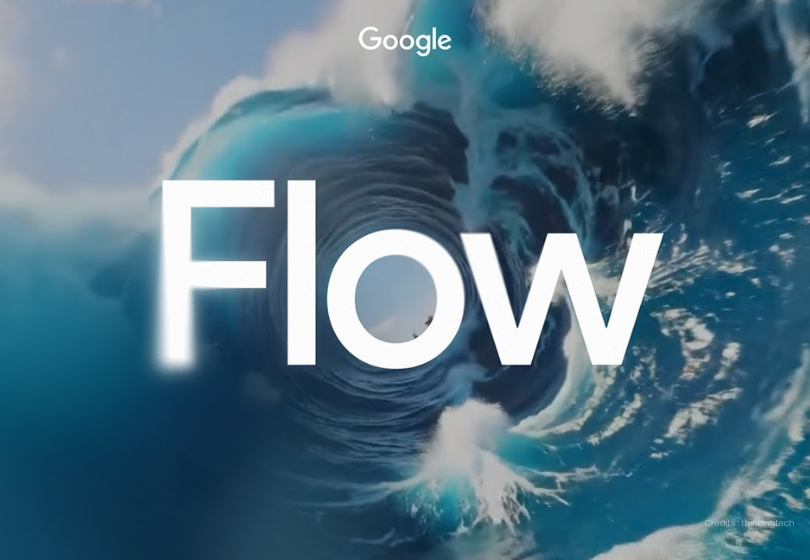
At Google I/O 2025, Google introduced Flow — an AI-powered video editing and filmmaking tool that can generate cinematic-quality videos from a simple text prompt. Instead of cameras, lighting, and editing software, you type in what you want, and Flow creates a visually stunning result.
Yes — that means:
- No camera required
- No editing timeline
- No technical learning curve
Whether you’re a filmmaker, marketer, or content creator, Google Flow could change everything about how video content is made.

What Is Google Flow?
Google Flow is Google’s latest AI filmmaking platform. It combines three powerful models:
- Veo 3 — generates high-quality video with realistic motion and lighting
- Imagen 4 — enhances image fidelity, detail, and realism
- Gemini — interprets natural language prompts and turns them into fully produced concepts
With Flow, you can:
- Generate entire scenes from text
- Add AI-generated dialogue and native sound
- Maintain consistent characters across multiple shots
- Edit videos collaboratively in real time
Creators have already generated over 275 million videos with Flow since launch — a milestone the industry has never seen before.
This isn’t just an editing tool.
It’s an entire production pipeline.
How Google Flow Accelerates the Video Editing Process
Traditional video editing requires multiple software tools and large production teams.
Google Flow flips that model upside down.
Weeks of Editing → Done in Hours
With Flow, AI can automatically:
- Detect scenes
- Suggest cuts
- Maintain visual continuity
- Apply color grading presets based on your desired mood
Think of Flow as your assistant editor — doing the busy work so you don’t have to.
No Editing Skills Required
Instead of learning complicated editing timelines, you can guide the process conversationally:
“Make the lighting warmer and add a slow zoom-in effect during the final scene.”
Boom — Flow applies the change instantly.
Built for Creativity, Not Technical Stress
Flow lets editors focus on what matters:
- Story structure
- Emotion
- Audience impact
The technical execution becomes automated.
What Google Flow Means for Video Editors’ Careers
Here’s the biggest misconception:
“AI will replace video editors.”
Not true.
Flow doesn’t eliminate editors.
It eliminates repetitive tasks.
Editors move from technicians → creative directors.
Instead of:
- tediously trimming clips
- syncing audio
- color correcting frame by frame
Editors now:
- shape the story
- define visual style
- guide AI using prompts
New Creative Careers Are Emerging
With Google Flow on the rise, we’re seeing new high-income roles such as:
- AI Filmmaking Specialist
- AI Prompt Director
- Creative Technologist
These roles didn’t exist five years ago. Now? They’re in high demand.
The Real Threat Isn’t AI — It’s Not Adapting
Entry-level editing jobs (assistant editor, intern) will shift.
But top editors who embrace AI will:
- Take on more projects
- Charge more for strategy and storytelling
- Build bigger portfolios faster
Your creativity becomes your advantage.
AI can generate visuals, but you still bring meaning, emotion, and story.
The Future of Filmmaking: Faster, More Accessible, More Global
The AI video market is projected to reach $42 billion by 2033 — and Google Flow is leading the shift.
Storytelling → The New Currency
Flow makes video creation accessible to:
- Indie filmmakers
- Small businesses
- Educators
- Content creators
You don’t need a budget.
You need a vision.
Real-Time Global Creation
Flow enables:
- Multilingual content generation
- Real-time audio + lip sync
- Character consistency across scenes
Imagine producing a Spanish version of your video in minutes—with accurate facial expressions and synchronized speech.
AI isn’t just accelerating production.
It’s expanding creative possibilities.
How Video Professionals Can Adapt (Action Plan)
Here’s your roadmap to stay ahead as Google Flow reshapes filmmaking:
1. Learn AI Prompting
The better your prompts, the better your output.
Focus on: details, emotion, camera movement, mood.
2. Specialize in a Niche
Examples:
- Short-form storytelling for brands
- AI music videos
- Corporate/education explainer videos
Niches get rich.
3. Build a Personal Brand
Share your AI video projects online.
Clients want proof — not promises.
4. Collaborate With AI, Don’t Compete With It
Think of Flow like a production partner.
- Let it generate drafts.
- You refine the narrative.
Your storytelling + Flow’s execution = Unmatched speed.
Conclusion: Google Flow Is the Gateway to the Future of Filmmaking
Google Flow isn’t just another video tool.
It’s a creative revolution.
It democratizes filmmaking.
It accelerates production.
It empowers creators.
The future belongs to video editors who see AI as a collaborator — not competition.
Use AI to do the work.
Use your creativity to tell the story.
Ready to create your first AI film?
FAQs About Google Flow
Q1: What makes Google Flow different from other AI video tools?
Flow integrates video, audio, and language models into one platform — making it a full filmmaking suite, not just a generator.
Q2: Do you need editing experience to use Google Flow?
No. Flow is designed so anyone can create cinematic videos using natural language prompts.
Q3: Will Google Flow replace video editors?
It replaces tasks, not people. Editors who focus on storytelling and creative direction will thrive.
Q4: Can you use Google Flow for commercial or branded content?
Yes — Flow is built to support creators, businesses, and production teams.
Q5: What skills should video editors learn to stay competitive?
AI prompting, creative direction, and brand storytelling.











No Comments